Hotel Staffing Crisis: Technology That Actually Helps
65% of hotels face staffing shortages. Learn how workforce management tech helps small hotels do more with fewer people without sacrificing guest experience.
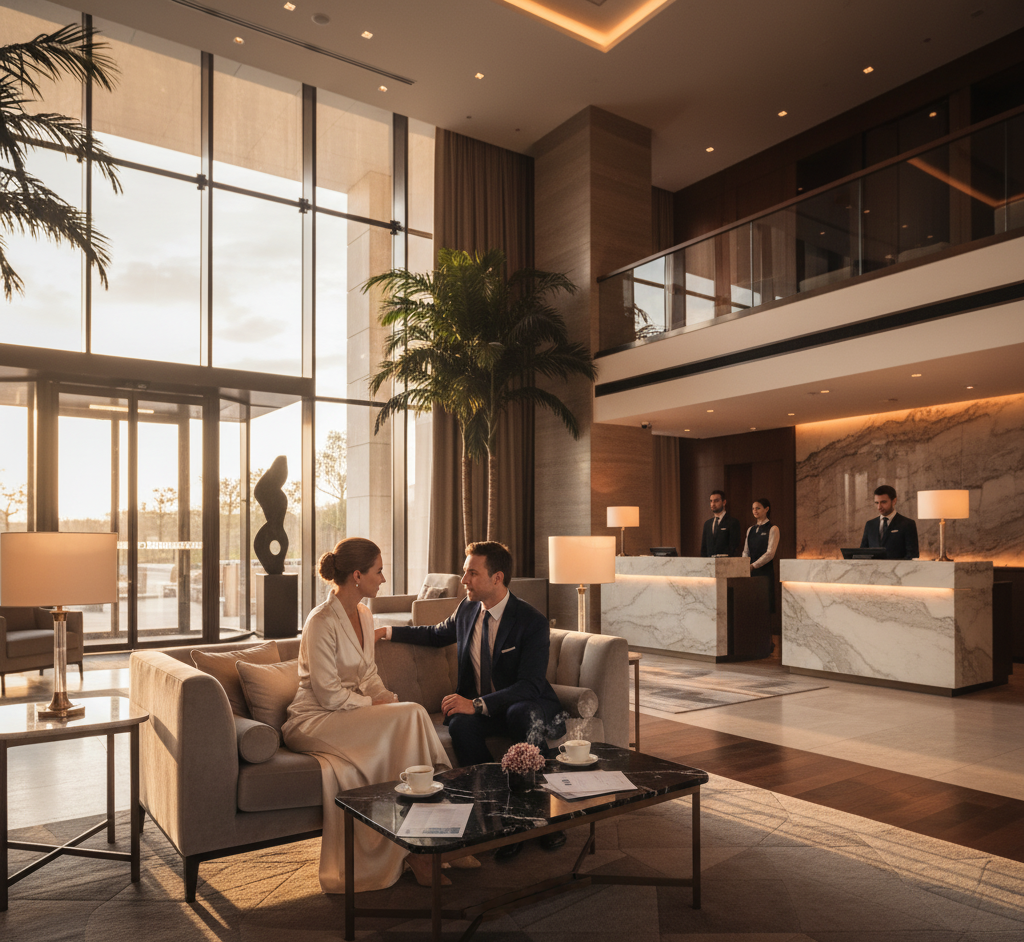
Here’s the math that keeps small hotel owners up at night: the same number of rooms to clean, the same guests to check in, the same breakfast to serve. But fewer people to do the work, and each person costs significantly more than they did three years ago.
65% of hotels report staffing shortages, with 71% saying they have job openings they simply cannot fill. The average property is running with 6 to 7 unfilled positions. Meanwhile, hotel wages have jumped significantly since the pandemic, and the industry as a whole still sits 8-10% below pre-pandemic employment levels.
This isn’t a temporary blip. The World Travel & Tourism Council projects an 8.6 million workforce shortfall by 2035. Small hotels can’t simply outbid large chains for a shrinking talent pool. They need a different approach.
That approach isn’t about replacing people with machines. It’s about using technology so that five people can comfortably handle work that used to take eight.
Where the Shortage Hits Hardest
Not all positions are equally difficult to fill. The data tells a clear story about where small hotels feel the most pain.
Housekeeping leads the list at 38% of hoteliers citing it as their hardest role to staff. The work is physically demanding, the hours aren’t always predictable, and the role has historically been undervalued. When a housekeeper calls in sick at a 20-room property, there’s no deep bench to pull from. The manager cleans rooms.
Front desk comes next at 26%. The challenge here is different. Front desk requires language skills, problem-solving ability, and a guest-facing temperament. Finding all three in one person at competitive wages is increasingly hard, particularly for properties in smaller markets.
Food and beverage rounds out the top three. Coordinating room service orders by phone, managing breakfast service with a skeleton crew, and handling bar operations all strain understaffed teams.
The compounding effect is what really hurts. When you’re short a housekeeper and a front desk agent, the remaining staff rush between tasks. Service quality drops. Guests notice. Reviews suffer. And ironically, the stressed work environment makes it harder to retain the people you still have.
Technology as a Force Multiplier
Let’s be direct about what technology can and can’t do here. It won’t clean a hotel room. It won’t comfort a frustrated guest whose flight was canceled. It won’t make a cocktail recommendation based on someone’s mood.
What technology does well is eliminate the repetitive, coordination-heavy tasks that eat into your team’s day. Every minute a front desk agent spends answering “what’s the Wi-Fi password?” or “what time does breakfast start?” is a minute they’re not spending on something that actually requires a human touch.
Think of it this way: if your five remaining staff members each spend two hours per shift on tasks that could be automated or handled through self-service, that’s ten labor hours per shift. Recovering even half of that time through technology is like hiring an additional part-time employee, without the recruiting challenge or the payroll cost.
The sections that follow cover specific technology categories that deliver measurable labor savings. None of them require a massive upfront investment, and most can be implemented incrementally.
Self-Service That Guests Actually Prefer
Here’s the part that surprises many hoteliers: guests don’t just tolerate self-service. For routine transactions, they actively prefer it.
Online check-in is the most impactful example. When guests complete registration, verify their identity, and receive their room assignment before arrival, the front desk interaction shrinks from five minutes to thirty seconds. At a 30-room hotel turning over 15 rooms daily, that’s over an hour of front desk time recovered. For a practical guide on implementing this, see the contactless check-in guide.
Digital ordering transforms food and beverage operations. Instead of fielding phone calls for room service, managing paper breakfast orders, and verbally relaying requests to the kitchen, guests browse a digital menu and submit orders directly. The order reaches the kitchen with perfect accuracy, no “I thought they said no onions” situations, and no phone tag when the line is busy. This approach to digital upselling and ordering also increases average order value because guests browse the full menu without time pressure.
QR-based information access handles the constant stream of “where is” and “what time” questions. A QR code in the room links to a digital guest directory with everything from spa hours to restaurant menus to local recommendations. This single tool can significantly reduce front desk inquiries, freeing staff for interactions that genuinely benefit from a human touch.
The pattern here is consistent. Guests prefer speed and convenience for transactional interactions. They want human connection for experiential ones. Technology lets you redirect your limited staff toward the moments that actually shape guest satisfaction and reviews.
AI-Powered Guest Communication
Beyond self-service, AI has gotten genuinely useful at handling guest conversations. And this is where the labor savings become significant for small properties.
A modern AI concierge doesn’t just spit out canned answers from a FAQ database. It understands context, accesses real-time hotel data, and responds naturally in multiple languages. “Is the pool heated?” gets a specific answer with current temperature. “Can you book me a table at a good Italian place nearby?” triggers a real search with availability. “I need a late checkout” gets checked against the next day’s arrivals before responding.
The impact on staffing is concrete. Platforms like Guestivo, HiJiffy, and Asksuite use AI that typically handles the majority of routine guest inquiries without human intervention. For a small hotel receiving 50 to 80 guest messages per day, that’s 30 to 55 interactions your staff never need to touch. Each one might only take two or three minutes to handle manually, but the cumulative savings are substantial.
The multilingual capability matters for properties hosting international guests. Instead of needing front desk staff fluent in English, German, and Spanish, the AI handles routine conversations in dozens of languages while your team focuses on complex requests in their strongest language.
Task Management and Housekeeping Optimization
Housekeeping is the hardest role to fill, so anything that makes existing housekeeping staff more efficient has outsized impact.
Traditional housekeeping coordination is shockingly manual at many small hotels. A printed list of rooms. A phone call when a guest checks out early. Walking down the hall to check if a room is done. The front desk calls housekeeping to ask about a specific room. Housekeeping doesn’t answer because they’re cleaning. The guest waits.
Modern task management platforms replace this entire chain with real-time visibility. When a guest checks out (or completes online checkout), the housekeeping dashboard updates automatically. Rooms are prioritized by checkout time, VIP status, or next arrival. A housekeeper marks a room clean on their phone, and the front desk sees it instantly.
Tools like hotelkit, Flexkeeping, and Guestivo provide this kind of real-time housekeeping coordination. The time saved isn’t dramatic per room, maybe three to five minutes. But across 20 rooms and a full shift, that’s an hour or more of recovered productivity. More importantly, it reduces the chaos and frustration that drives housekeeping staff to quit.
Maintenance requests follow a similar pattern. A guest reports a dripping faucet through the digital concierge. The system creates a maintenance ticket, assigns it to the right person, and tracks completion. No sticky notes. No “I told the front desk but nothing happened.” Better accountability, less mental overhead for everyone involved.
Smart Scheduling Tools
Scheduling is a pain point that often goes unaddressed at small hotels. Managers spend hours each week building schedules manually, handling swap requests through text messages, and scrambling to fill last-minute gaps.
Dedicated scheduling platforms like Planday and Homebase automate much of this. They account for labor laws, employee availability preferences, and demand patterns. When someone calls in sick, the system identifies available employees and sends notifications. Shift swaps happen through the app with manager approval. Time tracking integrates directly with payroll.
For small hotels, the benefit isn’t just time saved on schedule creation. It’s better schedule quality. When you can see labor cost projections alongside occupancy forecasts, you stop scheduling six people on a Tuesday when you only needed four, and understaffing Saturday when you needed seven. That optimization matters more when every person counts.
Some PMS platforms now include basic scheduling features, which reduces the number of separate tools your team needs to learn. The trend toward integrated tech stacks means you can often get scheduling functionality within a platform you already use, rather than adding yet another login for your team.
Training and Onboarding Technology
When you finally do hire someone, the clock starts ticking. How quickly can they become productive? In a tight labor market, slow onboarding is expensive. A new hire who needs three weeks of shadowing before they’re useful ties up two employees for the price of one.
58% of hospitality leaders are planning increased budgets for digital learning in 2026. The reason is practical: digital training gets people productive faster and more consistently than the traditional “follow Maria around for a week” approach.
Digital onboarding platforms deliver training through short video modules, interactive checklists, and quizzes that new hires complete on their phones. A new front desk agent can learn check-in procedures, the PMS interface, and house policies before their first shift with a guest. The training is standardized, so you don’t lose institutional knowledge when your best trainer leaves.
This is also a retention play. Employees who feel competent in their role faster are more likely to stay. Nobody enjoys feeling lost and incompetent during their first weeks. Technology that shortens that awkward learning curve pays off in lower turnover rates.
The Retention Angle
Speaking of retention, this deserves its own section because it’s where technology delivers a benefit that doesn’t show up in most labor efficiency calculations.
Turnover in hospitality runs notoriously high. And every departure costs money: recruiting, onboarding, the productivity gap during training, the mistakes new employees make. Reducing turnover by even a few percentage points has real financial impact.
Technology improves retention in three ways that matter:
Reducing frustration. When staff have tools that work, they spend less time fighting broken processes. Real-time communication between departments, clear task assignments, and digital tools that handle routine inquiries all reduce the daily friction that makes people think “I could do something easier for the same money.”
Enabling meaningful work. Nobody got into hospitality to answer “what’s the Wi-Fi password?” 30 times a day. When technology handles the repetitive stuff, your team gets to focus on the parts of the job they actually enjoy: creating memorable experiences, solving interesting problems, building relationships with guests.
Demonstrating investment. Providing your team with modern tools sends a signal that you take their work environment seriously. Hotels still running on paper checklists and walkie-talkies in 2026 are telling staff they’re not worth investing in. That matters, especially to younger workers who expect digital tools as a baseline.
Platform Options at a Glance
The market for hotel workforce technology has options at every price point. Here’s how major categories break down:
| Category | Platforms | Starting Cost | Best For |
|---|---|---|---|
| AI Guest Communication | Guestivo, HiJiffy, Asksuite | 2-8 EUR/room/month | Reducing front desk inquiry volume |
| Task & Housekeeping Management | hotelkit, Flexkeeping, Guestivo | 3-6 EUR/room/month | Housekeeping coordination, maintenance tracking |
| Staff Scheduling | Planday, Homebase | Free tier available | Shift scheduling, time tracking, compliance |
| Digital Check-in & Ordering | Guestivo, Canary Technologies, Duve | 2-5 EUR/room/month | Self-service, reducing front desk load |
| Digital Training | Typsy, Flow | 15-30 EUR/user/month | Faster onboarding, consistent standards |
Some of these platforms overlap in functionality. Guestivo, for example, combines AI guest communication, digital ordering, online check-in, and housekeeping coordination in a single platform, which simplifies the tech stack for smaller properties. Others specialize in one area and integrate with your existing tools. The right choice depends on your biggest pain point.
Getting Started Without a Big Budget
If you’re running a 15 to 40-room hotel, you don’t need to implement everything at once. Here’s a practical sequence based on where most properties see the fastest return:
Month 1: Digital check-in and guest information. Set up online check-in and a digital guest directory. These require minimal configuration and immediately reduce front desk workload. The ROI shows up in the first week.
Month 2: AI guest communication. Add an AI concierge to handle messaging across WhatsApp, your website, and other channels. The setup involves feeding the system your hotel information (amenities, policies, local recommendations). Most platforms are operational within a few days.
Month 3: Task management. Implement digital housekeeping coordination and maintenance tracking. This one requires buy-in from the housekeeping team, so involve them in the setup. Let them try it for a week before making it mandatory.
Month 4 and beyond: Scheduling and training. Add scheduling tools and digital training modules as your team gets comfortable with the digital workflow. By this point, staff will have seen the benefits of the earlier tools and will be more receptive.
Total cost for a 25-room property following this sequence is typically 200 to 400 euros per month. Compare that to the cost of one additional full-time employee (2,500 to 3,500 euros per month including taxes and benefits), and the economics are straightforward.
The Staffing Problem Isn’t Going Away
The data points in one direction. Hospitality’s workforce challenge is structural, not cyclical. An aging population in many markets, competition from other industries offering remote work, and shifting attitudes toward service jobs all contribute. The WTTC’s projection of 8.6 million unfilled positions by 2035 underscores the scale.
Small hotels that treat technology as an integral part of their staffing strategy, rather than a nice-to-have, will outperform those waiting for the labor market to “go back to normal.” It won’t.
The good news is that the technology has matured to a point where it’s accessible, affordable, and genuinely useful. You don’t need a six-figure IT budget. You need a willingness to rethink which tasks require a human and which ones guests would rather handle themselves.
Start with the area that causes the most daily friction for your team. For most small hotels, that’s either guest communication or housekeeping coordination. Pick one tool, implement it properly, measure the impact, and expand from there.
For a broader perspective on how these tools fit together with your PMS, channel manager, and revenue strategy, the boutique hotel technology guide covers the full picture.
Frequently Asked Questions
What is the biggest staffing challenge for small hotels right now?
Housekeeping is the hardest role to fill, with 38% of hoteliers reporting it as their top challenge. Front desk positions follow at 26%. Small hotels feel this more acutely because they have fewer people to absorb the workload when positions go unfilled. The industry overall remains 8-10% below pre-pandemic employment levels.
Can technology really replace missing hotel staff?
Technology works best as a force multiplier, not a direct replacement. Self-service check-in, AI-powered guest communication, and digital ordering don't eliminate jobs. They reduce the volume of repetitive tasks so your existing team can focus on higher-value guest interactions. A front desk agent freed from answering the same Wi-Fi question 30 times a day can spend that time creating memorable guest experiences.
How much does workforce management technology cost for a small hotel?
Entry costs vary widely. Simple scheduling tools like Homebase offer free tiers for single locations. AI concierge platforms typically charge per-room-per-month fees, usually between 2 and 8 euros. Digital check-in and ordering tools follow similar models. Most small hotels can start with one or two tools for under 300 euros per month and expand from there based on results.
Will hotel guests accept interacting with technology instead of staff?
Most already prefer it for routine transactions. Studies consistently show that 70-80% of travelers prefer digital check-in when the option is available. Guests want human interaction for complex requests, problem resolution, and personal recommendations. They don't want it for filling out registration forms, ordering extra towels, or asking what time breakfast ends. The key is offering choice rather than forcing one channel.
Written by Maciej Dudziak
Topics